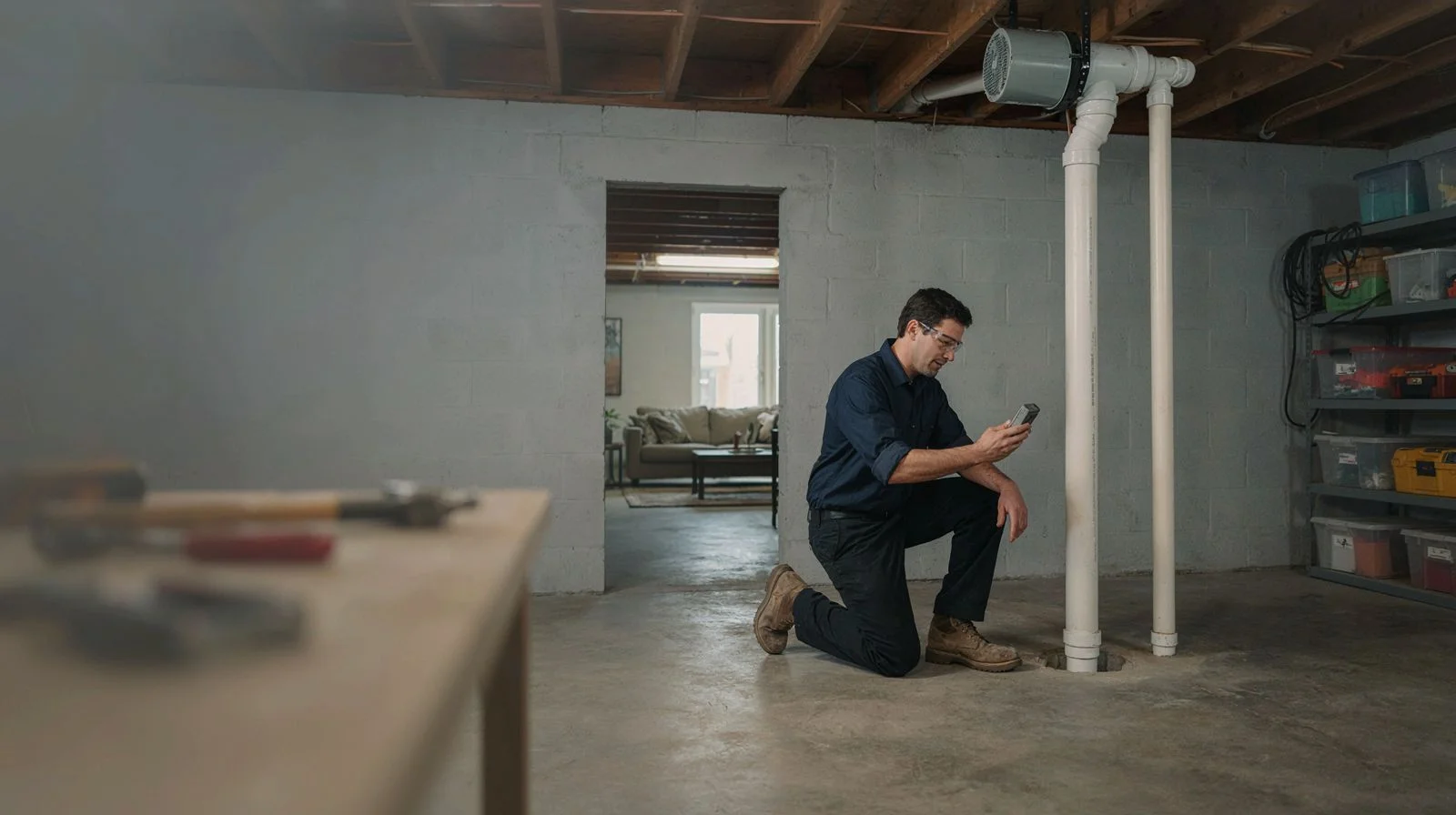
York, PA Radon Mitigation & Testing You Can Trust
Radon Testing in York, PA
Get accurate readings the first time with properly placed, calibrated devices and clear reporting from local specialists.
Radon testing that answers your health and home questions quickly
When you need radon testing, you want clear answers fast. Maybe you’re buying or selling a home and have a tight timeline. Maybe you’ve noticed headaches or lingering coughs and want to rule out indoor air issues. Or you simply haven’t tested in a few years and want an updated reading. Whatever brings you here, matched local pros provide radon testing that follows proven protocols so you can make confident decisions.
Radon is odorless and invisible, so the only way to know your level is to test. The U.S. Environmental Protection Agency recommends testing all homes and retesting after significant renovations or changes in occupancy. Action is advised at or above 4.0 pCi/L, though many homeowners choose to reduce levels below that threshold as well. See the EPA’s guidance for background and thresholds in plain language: EPA radon basics.
Pros in the York area use well‑maintained equipment, place devices on the lowest livable level, and verify closed‑house conditions to avoid false lows. Short‑term tests provide quick readings for real estate timelines, while long‑term tests give a fuller picture across seasons. You receive a simple report that explains what the number means and the best next step for your situation.
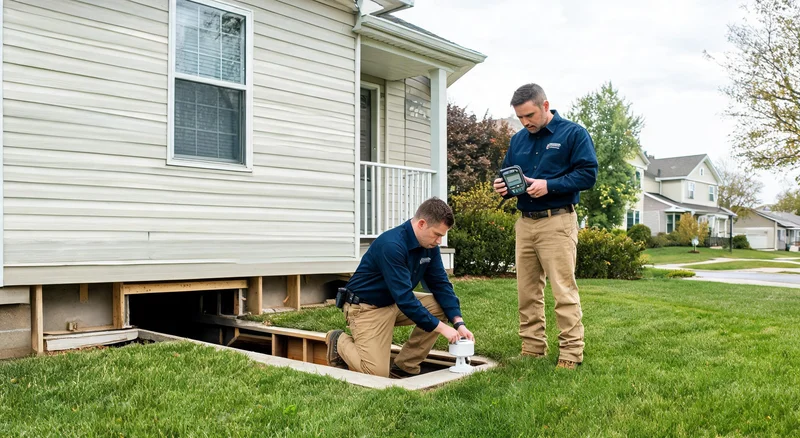
What professional radon testing involves
Matched local pros focus on accurate measurement and clear reporting. Radon testing starts with a short conversation about your home’s layout, foundation type, and goals. For a real estate deadline, a high‑quality short‑term test (often 48–96 hours) with a continuous radon monitor is common. If you’re establishing a long‑term baseline, an alpha‑track test that runs for 90 days or more can better reflect seasonal variation.
Before any device is set, the technician confirms the testing area and conditions. Closed‑house conditions matter for short‑term testing: windows stay shut and exterior doors opened only for normal entry and exit. HVAC runs normally, but whole‑house fans and fireplaces aren’t used in ways that could change pressure dramatically. These steps help ensure the result reflects the home’s typical lived‑in level.
Placement is critical. Devices go on the lowest level that could be used regularly - a finished or unfinished basement, or the first floor in slab‑on‑grade homes. Pros avoid kitchens, bathrooms, laundry rooms, and exterior walls to reduce drafts and humidity swings that can skew results. They set the monitor at the proper height above the floor, away from vents and windows, and note the location for the report.
For short‑term testing, many contractors use calibrated continuous radon monitors (CRMs). These devices log hourly readings and environmental data, adding context to the final average and helping identify tampering or unusual activity. When passive charcoal canisters are used, technicians document the start and end time precisely and seal the unit for lab analysis as soon as the test period ends.
Quality assurance is part of the work. Depending on the home and goals, the pro may deploy duplicate or side‑by‑side devices, place a spiked sample for calibration checks, or use tamper‑evident seals on windows and devices. These measures strengthen the credibility of the result, especially important in real estate transactions where multiple parties review the report.
Long‑term radon testing is recommended when you want the most representative picture across heating and cooling seasons. Pros select the right long‑term device, document the placement, and provide simple reminders to keep normal living patterns. At the end of the period, the device is collected or mailed to a qualified lab, and the final average is reported with context about seasonal swings.
Every test ends with a clear, plain‑English summary. You receive the average concentration in pCi/L, any hourly graph if a CRM was used, notes about conditions, and practical guidance on whether to retest, monitor seasonally, or consider mitigation. If elevated levels are found, you’ll understand realistic next steps without pressure or jargon.
Short‑Term Radon Testing (48–96 Hours)
Quick results using calibrated continuous radon monitors or charcoal devices to support fast decisions.
Long‑Term Radon Testing (90 Days+)
Alpha‑track devices for a more representative average across weather and occupancy changes.
Real Estate Transaction Testing
Protocol‑driven testing with documented conditions and easy‑to‑share reports for buyers, sellers, and agents.
Multi‑Area Or Multi‑Unit Testing
Strategic device placement for split‑levels, duplexes, and large footprints to capture meaningful data.
Re‑Testing And Confirmation
Follow‑up tests to confirm borderline or unexpected results, with quality‑assurance steps built in.
What affects the cost of radon testing
Pricing for radon testing depends on the type of test, the number of devices needed, and the reporting requirements. A single short‑term test on the lowest livable level is the simplest scope. Larger homes, split‑levels, or multi‑unit buildings may require more than one device to gather useful data.
Equipment and analysis also affect cost. Continuous radon monitors provide detailed hourly logs and often include environmental readings, while passive devices are analyzed by a qualified lab. Long‑term devices run for months and include additional handling and lab processing, which can change the total.
Logistics and documentation make a difference. Homes that are farther from the technician’s base, projects that require evening pickup to meet a deadline, or real estate transactions that involve additional quality‑assurance measures can add to the scope. If the initial result is borderline or conditions weren’t ideal, a follow‑up test may be recommended, which is typically a separate visit.
Independent local contractors typically charge $150 - $350 for radon testing. See typical radon testing costs.
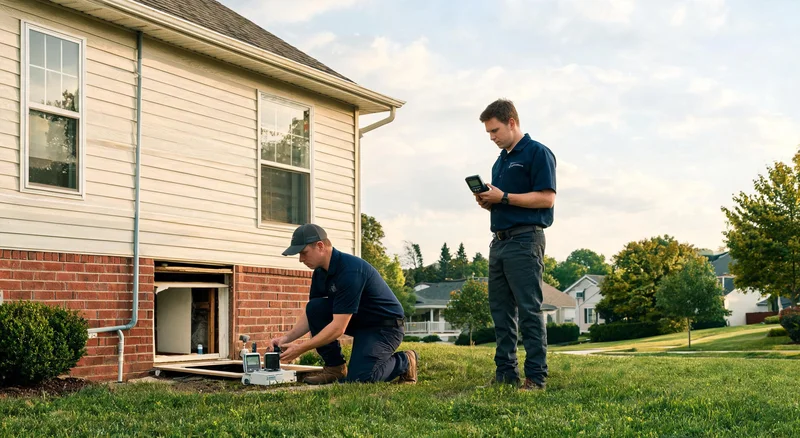
Why Choose Us for Radon Testing?
Local pros who know York homes
Matched contractors understand basement types, slabs, and crawlspaces common in the area and place devices accordingly.
Calibrated, professional equipment
Continuous monitors and lab‑analyzed devices are maintained to recognized standards for reliable readings.
Clear, shareable reports
Easy‑to‑read results with documented conditions help homeowners and real estate teams make confident decisions.
Flexible testing options
Short‑ and long‑term radon testing choices fit deadlines or long‑view planning without overcomplicating the process.
Quality‑assurance built in
Duplicate samples, tamper seals, and verification steps strengthen credibility when results really matter.
How radon testing works from start to finish
Conversation And Goals
A local pro asks about your timeline, home layout, and whether short‑ or long‑term radon testing fits your needs.
Site Check And Method Selection
They confirm the lowest livable level and choose the right device type, noting any factors that could influence air movement.
Pre‑Test Conditions
Closed‑house conditions are reviewed for short‑term tests, and simple guidance is shared to avoid skewed readings.
Device Placement
The monitor or passive device is set at the correct height and location away from drafts, with tamper seals as needed.
Testing Period
Short‑term tests typically run a few days; long‑term tests run for months. Normal living continues during the test.
Pickup And Analysis
The device is retrieved; CRM data are downloaded or passive devices sealed and sent to a qualified lab for analysis.
Report And Next Steps
You receive a clear summary of results, any hourly graphs, and guidance on whether to retest or consider mitigation.
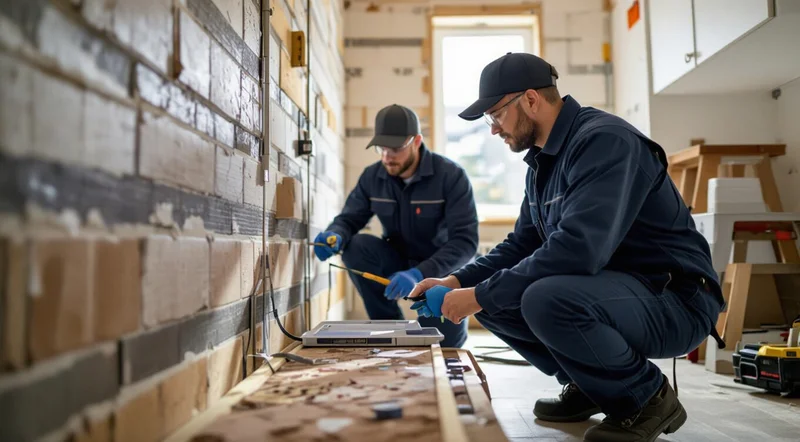
Radon Mitigation York PA Is Proud to Serve the York, PA Area
Radon Testing FAQs
What is the difference between short‑term and long‑term radon testing, and when should I choose each?
Short‑term radon testing runs for a few days and is useful when you need fast decisions, such as during a home sale. Long‑term testing lasts 90 days or more and averages seasonal swings for a more complete picture. Many homeowners start with a short‑term test and follow up long‑term if results are borderline or inconsistent. Your pro will recommend the best option for your timeline and goals.
How should I prepare my home for radon testing to ensure accurate results?
For short‑term tests, keep windows closed and use exterior doors only for normal entry and exit. Avoid using whole‑house fans or fireplaces in ways that create unusual drafts. Place the device where the technician recommends and leave it undisturbed. Normal heating and cooling can run during the test.
Where will professionals place radon testing devices in a home with a basement or slab?
Devices are placed on the lowest livable level - typically a basement if it could be used regularly, or the first floor in slab‑on‑grade homes. Pros avoid kitchens, bathrooms, laundry rooms, and exterior walls to reduce drafts and humidity swings. The monitor sits at breathing height, away from vents, windows, and direct sunlight.
Can radon testing be completed during a real estate transaction without delaying closing?
Yes. Short‑term radon testing with continuous monitors is designed to deliver timely results that fit real estate timelines. Pros document conditions, placement, and test duration so the report is easy to review by buyers, sellers, and agents. If a confirmation test is advised, your technician will outline options that work within typical contingency periods.
Do weather and seasons affect radon testing results, and should I retest later?
Weather and building use can influence short‑term results because pressure and ventilation change. That’s why long‑term devices provide valuable context across seasons. If your short‑term result is near the action level, professionals often recommend a long‑term follow‑up to confirm the home’s typical level. Retesting is also wise after major renovations or HVAC changes.
What happens if radon testing shows elevated levels; do I need another test first?
If results are clearly elevated under proper conditions, many homeowners move straight to discussing mitigation options. When readings are borderline or conditions may not have been ideal, a confirmation test helps verify the result. Your report will explain which path makes the most sense for your situation and timing.
Contact Us Today for a Free Estimate
Free — no obligations