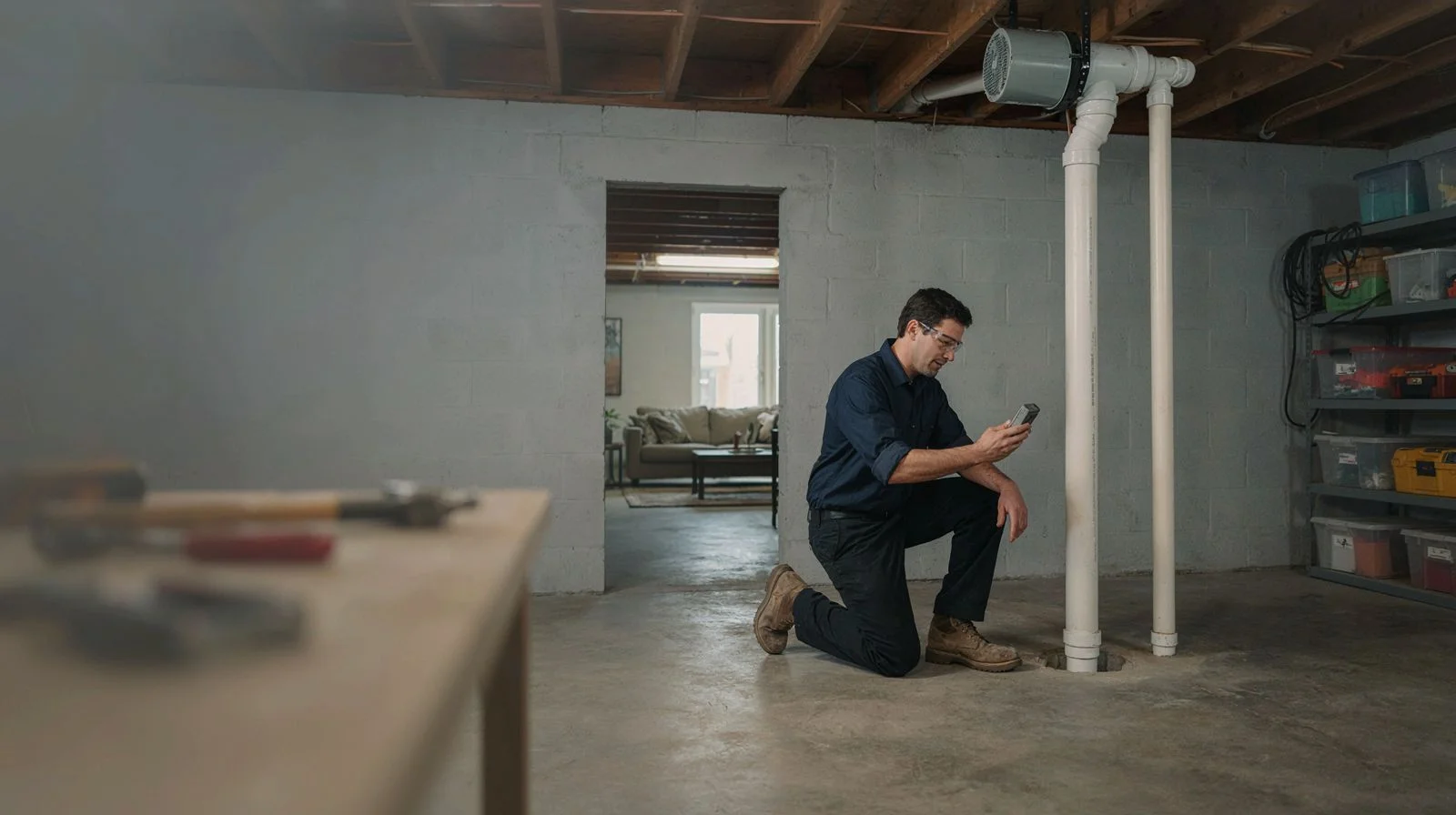
York-area radon help, done right
Radon Mitigation in Wrightsville, PA
Testing and mitigation from vetted local pros. Clear plans for historic homes and riverfront properties.
Radon solutions for Wrightsville homes
Radon mitigation in Wrightsville, PA matters for homes along the river and on the hill, and Radon Mitigation York PA connects homeowners in Wrightsville, PA with local radon mitigation pros who know the area well.
We match you with independent contractors for radon testing, radon mitigation, and the post‑mitigation radon test. From our York, PA base, scheduling is coordinated with crews who work across the Susquehanna corridor and understand the mix of older basements, partial slabs, and crawlspaces common here.
Have questions about service coverage or timing? Our York, PA office is open 9 AM – 5 PM daily, and you can reach the team at (223) 877-3977 for straightforward guidance.
Radon conditions in Wrightsville, PA
Wrightsville sits in the Susquehanna River valley, where temperature swings and river breezes can create pressure differences that draw soil gas into basements and crawlspaces. Many homes here have full basements or mixed foundations, and older masonry or stone walls are typical near PA‑462 and the bridge approaches. Pennsylvania overall has widespread potential for elevated radon, so routine testing and well‑planned mitigation are smart steps for local homes PA DEP radon guidance.
Serving Wrightsville with local know‑how
Wrightsville, PA has a unique mix of riverfront cottages, historic brick homes near the Veterans Memorial Bridge, and mid‑century ranches climbing the hill toward Hellam. That variety means radon solutions have to be tailored. Local pros connected through Radon Mitigation York PA start with how your home is built... full basement, partial slab, or crawlspace - and design a system that creates steady sub‑slab suction without taking over your exterior. The goal is the same across town: lower indoor radon levels reliably while preserving curb appeal and everyday convenience.
Getting to you efficiently from York
Crews typically depart from 441 E. Market St., Suite 18202, York, PA 17403, head east along East Market Street, and either stay on PA‑462 across the Veterans Memorial Bridge into Wrightsville or hop onto US‑30 to cross the Wright’s Ferry Bridge, then loop back via Cool Creek Road or Hellam Street to reach neighborhoods along the river and up the hillside. These familiar routes keep arrival times predictable for appointments throughout the week.
Radon testing tuned to river‑valley conditions
Short‑term testing is usually performed on the lowest livable level using calibrated devices. Near the river, breezes can tempt window‑opening; pros will explain closed‑building conditions so the test reflects normal living scenarios rather than a drafty snapshot. For homes with additions, split levels, or rooms over crawlspaces, technicians place devices where occupants spend time and where soil gas is most likely to enter, so the results guide the right mitigation plan.
Thoughtful mitigation for older and mixed foundations
Historic basements near Riverfront Park and along PA‑462 often include stone or block walls and a mix of floor sections. Installers look for a central suction point that reaches under multiple slab areas, then add secondary points only if needed to spread airflow. In crawlspaces, a sealed membrane with vent piping can tie into the same fan as a basement suction line, keeping the system neat while stopping soil gas from bypassing the main slab.
Quiet fans and discreet exterior routing
Wrightsville homes close to the river and the bridge deserve clean lines and quiet operation. Pros usually mount the fan outside or in a garage or attic space, then run piping along back or side elevations where it blends into trim and downspouts. Discharge typically terminates above the roofline, away from windows or decks. The plan balances performance with a layout that fits the home’s architecture and viewlines toward the Susquehanna.
Electrical and weather‑ready details
Installers coordinate any needed electrical connection for the radon fan with a licensed electrician, ensuring a dedicated, protected circuit. Exterior components are selected for four‑season durability - tight fittings, UV‑resistant piping, and proper supports so winter winds near the bridges don’t rattle the system. Condensate management is handled with gentle slopes and drains so moisture doesn’t collect inside the piping during humid river summers or freeze during cold snaps.
Working neatly in finished spaces
Many Wrightsville basements are finished or partially finished. Crews protect flooring, isolate dust when coring a slab, and locate the system monitor where it’s easy to check without disrupting living areas. Sump lids are sealed with gasketed covers when used as part of the suction network, and access is left straightforward for future service. Outside, penetrations are sealed cleanly so siding and masonry keep their tidy look.
Post‑mitigation radon test and documentation
Once installation is complete and the system has had time to establish steady airflow, pros return to perform a post‑mitigation radon test. Results are provided in writing, with an explanation of the readings and the system’s operating indicators. If results suggest more suction is needed in a distant slab section or crawlspace, the same team can fine‑tune the layout or add a point so the system meets the target performance.
Systems for sump and drain‑tile homes near the river
Homes close to the river often have sump pits or drain tile to manage groundwater. Installers evaluate whether the drain network can help move air beneath the slab; when it can, they seal the pit and tie radon suction into the existing pathways to improve coverage. When it cannot, they isolate the radon system from the drain system so each works as intended without cross‑flow.
Ongoing care and retesting
A quality fan is designed for long service, and most systems only need occasional checks to confirm the indicator shows normal suction. Pros recommend retesting every couple of years and after big changes like finishing a basement, replacing windows, or adding an addition. If a fan eventually needs replacement, the existing layout makes that work straightforward, and documentation from the post‑mitigation radon test helps keep home records complete for future sales.
Coverage across Wrightsville’s neighborhoods
From streets near Riverfront Park and the downtown grid to homes tucked uphill toward Hellam Township, crews plan arrival windows that respect school traffic, bridge congestion, and weekend river activity. Familiarity with PA‑462, US‑30, and local cut‑throughs helps pros park where work can proceed safely without blocking narrow lanes. Homeowners get clear communication on timing and what to expect inside and out.
Transparent planning and local expertise
Before work starts, you’ll see a simple scope drawing and a list of the components your home needs... no more, no less. The design reflects the size of the slab, how easily air can move under the floor, and any crawlspace or addition that needs attention. If you are budgeting for a project in town or on the hillside above it, see radon mitigation costs in Wrightsville, PA for general guidance; final pricing depends on the home and is confirmed with the installer.
Our Services in Wrightsville, PA
Typical radon mitigation cost in Wrightsville, PA from independent local contractors (same as elsewhere in the York, PA area): $1,100 - $3,800. See typical radon mitigation costs near Wrightsville, PA.
Why Wrightsville, PA Chooses Radon Mitigation York PA
Local river‑valley insight
Pros understand Wrightsville’s riverfront breezes, hillside lots, and mixed foundations, and they tailor testing and mitigation to those conditions.
Right‑sized systems
Designs focus on the fewest effective suction points and discreet routing, reducing noise and visual impact while maintaining strong radon reduction.
Clear testing and follow‑up
From initial placement to the post‑mitigation radon test, you get plain‑English explanations and written results so you know the system is working.
Neat, respectful work
Installers protect finished spaces, seal penetrations carefully, and leave easy access to gauges and service points.
Vetted local network
You’re matched with insured, experienced specialists who work in Wrightsville regularly and know the best routes, materials, and methods for local homes.
Radon Mitigation FAQs in Wrightsville, PA
Do homes near Riverfront Park or along PA‑462 need special planning for radon mitigation in Wrightsville, PA?
Homes by the river often have finished basements, sump pits, or mixed slabs. Local pros plan for sealed sump lids and consider whether any drain tile can help carry suction across the footprint. Exterior vent routing is chosen to blend with historic facades and to discharge safely above the roofline.
How do local pros travel from 441 E. Market St., Suite 18202 to radon mitigation jobs in Wrightsville, PA, and which bridges are most direct?
Crews commonly take PA‑462 east from York and cross the Veterans Memorial Bridge straight into Wrightsville. When traffic on PA‑462 is heavy, they may use US‑30 over the Wright’s Ferry Bridge and loop back via Cool Creek Road or Hellam Street. These options keep arrival times predictable across town.
For older stone or block basements near the Veterans Memorial Bridge, how is radon mitigation adapted in Wrightsville, PA?
Installers evaluate how air moves under segmented slabs and choose a central suction point that reaches the most area. If walls are porous, they seal accessible openings and add a second point only if needed. The fan and piping are routed to minimize changes to visible masonry.
Does hillside construction above town change where suction points go for radon mitigation in Wrightsville, PA?
On sloped lots, fill depth and footing layout can vary widely. Pros test pressure fields during installation to confirm suction spreads under the slab and adjust placement or add a secondary point when a distant room shows weak draw. The design targets full‑footprint coverage regardless of grade.
What seasonal factors in Wrightsville, PA affect radon testing and the post‑mitigation radon test?
Winter stack effect can pull more soil gas into basements, often producing higher readings. Summer brings river breezes that tempt open windows, so closed‑building conditions are important for accurate tests. After installation, pros schedule the verification test when normal living conditions can be maintained.
If my home outside the Wrightsville borough uses a private well, should I add radon‑in‑water testing with radon mitigation in Wrightsville, PA?
In nearby rural areas where private wells are common, radon in water can add a small amount to indoor air. Local pros recommend testing well water when a home uses a private supply, especially if air test results remain slightly elevated after mitigation. Results guide whether a separate water treatment is appropriate.
Contact Us Today for a Free Estimate
Free — no obligations