York, PA Radon Mitigation & Testing You Can Trust
Post‑Mitigation Radon Test in York, PA
Independent measurement to confirm your radon system is performing as designed. Timely, documented results for your records.
Get proof your mitigation system is working
After a new radon system goes in, most homeowners want one thing: clear proof that radon levels dropped to a safer range. A post-mitigation radon test provides that confirmation. It’s often needed quickly for peace of mind, real estate paperwork, or installer warranty requirements. Lenders and buyers may also ask for a recent, documented result that shows the home is performing as expected.
Homeowners come to Radon Mitigation York PA to be matched with local measurement pros who run a post-mitigation radon test at the right time and on the correct level of the home. The goal is to verify performance under normal living conditions, typically after the mitigation fan has run long enough for the system to stabilize. Pros use calibrated instruments and follow recognized measurement standards to ensure the reading is dependable and easy to understand.
Radon is a serious health risk, and national guidance recommends checking results after mitigation and retesting periodically thereafter to confirm continued performance EPA radon basics. A proper post-mitigation radon test gives you a clear report you can share with your installer, your records, or anyone involved in a transaction. If anything looks off, you’ll know early, while it’s simple to address.
What a post‑mitigation radon test involves
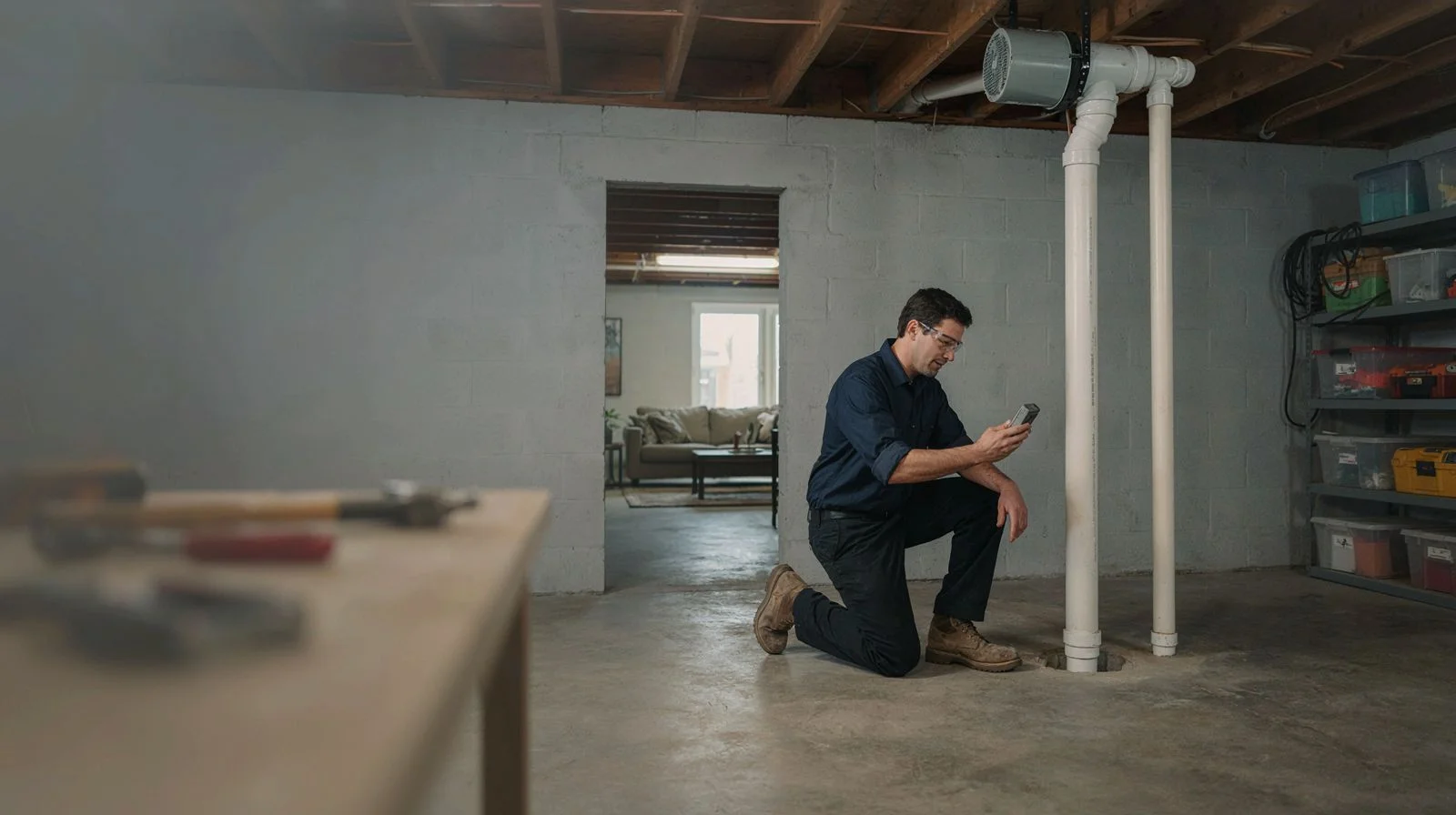
Matched local pros focus on one job: verify that your new system is reducing radon as intended. They start by confirming the system has been running long enough to establish steady airflow, noting fan status and any visible indicators on the piping. This quick check helps ensure the measurement reflects true system performance rather than a start‑up snapshot.
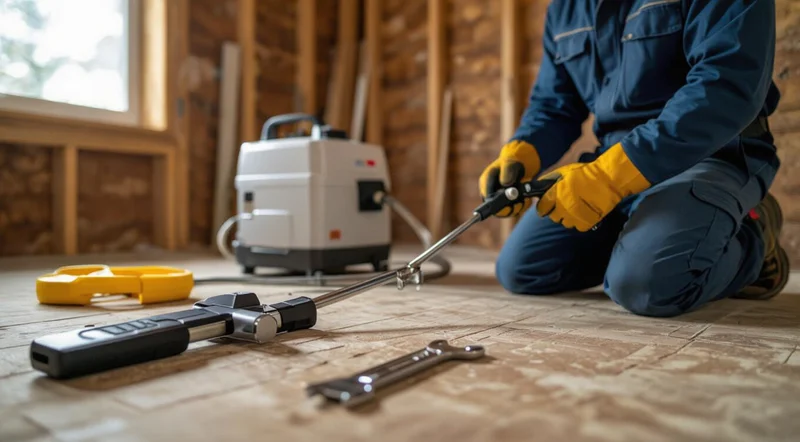
Next, the pro selects an appropriate measurement method for a post-mitigation radon test. Many projects use a continuous radon monitor (CRM) that records hourly data and provides a time‑stamped average at the end of the measurement window. In other cases, an approved passive device may be chosen to meet a specific request from a buyer, lender, or installer. Either way, the device will be current on calibration and handled with documented chain‑of‑custody.
The instrument is positioned on the lowest level of the home that could be used regularly, such as a finished basement or first floor. Placement avoids drafts, direct sunlight, and heat sources so the result reflects typical breathing conditions rather than a localized air current. If the property layout is complex or the mitigation design treats multiple areas, the pro may recommend testing more than one location to document uniform performance.
During the measurement window, you can live normally. Pros will explain simple do’s and don’ts that keep the reading representative of everyday conditions without turning the house upside down. When using a CRM, basic tamper‑resistant features and environmental sensors help validate that the device remained undisturbed and the conditions stayed consistent.
When the window ends, the device is closed out properly and any data are validated, then compiled into a clear report. You’ll see the average radon concentration for the period, any relevant time‑series information if a CRM was used, and notes about the home and system status. The documentation is designed to be easy for homeowners, inspectors, and real estate professionals to interpret.
If results show the home meets your target level, you have proof your mitigation is performing. If the number isn’t where it should be, the report helps guide next steps, such as a quick diagnostic check from the installer or a focused retest after an adjustment. The aim is a smooth, transparent path to a reliable outcome.
Continuous Radon Monitor Verification
Hour‑by‑hour tracking and a documented average tailored to post‑mitigation needs.
Approved Passive Test Options
Charcoal or other lab‑analyzed devices when a lender, buyer, or installer requests that format.
System Status Check
Visual confirmation of fan operation and pressure indicator readings at the start of the test.
Multi‑Location Coverage
Additional test locations for large footprints, split levels, or separate slab areas when warranted.
Lender‑Friendly Documentation
Clear, time‑stamped reports that are simple to share during real estate transactions.
What affects the cost of a post‑mitigation radon test
Pricing for a post-mitigation radon test depends on the home and the documentation you need. Larger or more complex layouts can require additional devices or locations to show performance across all lived‑in areas. The type of instrument (continuous monitor versus a passive lab device) also influences the scope and handling.
Timing and logistics matter. If you need a specific start or end time to align with access or transaction deadlines, scheduling windows can shape the visit. Some projects call for rush reporting or extra paperwork for lenders, which adds administrative work.
Site conditions influence the plan as well. Finished basements, crawlspace interfaces, or multiple slab sections may lead a pro to recommend more than one location or a slightly longer measurement window. Travel distance within the York, PA area and any special access coordination can also be factors.
Because each home and test goal differ, the matched pro will outline the approach before work begins so you know exactly what’s included. Pricing is determined by the job details and the reporting format you require.
Typical post-mitigation radon test pricing from independent local contractors: $120 - $200. See post-mitigation radon test prices in York, PA.
Why Choose Us for Post-Mitigation Radon Test?
Vetted local measurement pros
Radon Mitigation York PA connects you with credentialed radon testers who focus on accurate, compliant verification after mitigation.
Independent confirmation
Test‑only verification that documents how your system is performing without altering how the system operates.
Clear, lender‑ready reports
Readable results, timestamped details, and concise notes that real estate professionals and installers understand.
Flexible scheduling in the York area
Coordinated appointments that respect access windows and keep your project moving smoothly.
Helpful local support
Office hours are 9 AM–5 PM daily in York, PA; general inquiries are available at (223) 877-3977.
How local pros handle your verification
Timing And Scope Confirmation
Confirm the mitigation system has been running long enough and define the test location(s) and reporting needs.
On‑Site System Glance
Verify fan operation and note indicators so the measurement reflects normal, stabilized performance.
Instrument Setup
Place and start a calibrated device on the correct level of the home, positioned to avoid unusual air currents.
Measurement Window
Let the test run for the required duration while you live normally, with simple guidance to keep conditions consistent.
Wrap‑Up And Validation
Retrieve the device and review quality checks so the data and handling meet accepted measurement standards.
Results And Documentation
Provide a straightforward report with the average concentration and notes that support your records or transaction.
Radon Mitigation York PA Is Proud to Serve the York, PA Area
Post-mitigation Radon Test FAQs
What makes a post-mitigation radon test different from a routine radon test?
A post-mitigation radon test is performed after a new system is installed to verify that radon levels have dropped to a safer range. The timing, placement, and documentation are selected to reflect system performance rather than pre‑mitigation conditions. Reports are prepared so they’re easy to share with an installer or during a real estate transaction.
How long does a post-mitigation radon test usually take, and do we need to change our routine?
Most post-mitigation measurements are short‑term and run over a few days to capture stable system performance. You can live normally while the device runs, following simple guidelines the pro provides to keep the reading representative of everyday conditions.
Do I need to adjust my HVAC or windows during a post-mitigation radon test?
Pros ask that exterior openings remain closed as much as practical and that HVAC is used in its typical pattern. This helps the measurement reflect how the home is actually lived in while avoiding big swings from unusual ventilation.
Which instrument is best for a post-mitigation radon test: a continuous monitor or a lab kit?
Both can be appropriate, depending on requirements from an installer, buyer, or lender. Continuous monitors provide time‑stamped graphs and immediate averages, while approved passive devices are sealed and analyzed by a qualified lab. The matched pro will recommend the option that best documents your system’s performance.
What happens if a post-mitigation radon test is above the EPA action level?
The pro will review the data quality and note any conditions that could have influenced the reading. Next steps often include a quick system check from the installer, minor adjustments if needed, and a focused retest to confirm the outcome after any changes.
Is one post-mitigation radon test enough, or should I plan to retest later?
After a successful verification, periodic retesting is still recommended to confirm ongoing performance over time. Many homeowners add a reminder to check again in the future or after major home changes that could affect airflow, such as renovations or new HVAC equipment.
Contact Us Today for a Free Estimate
Free — no obligations