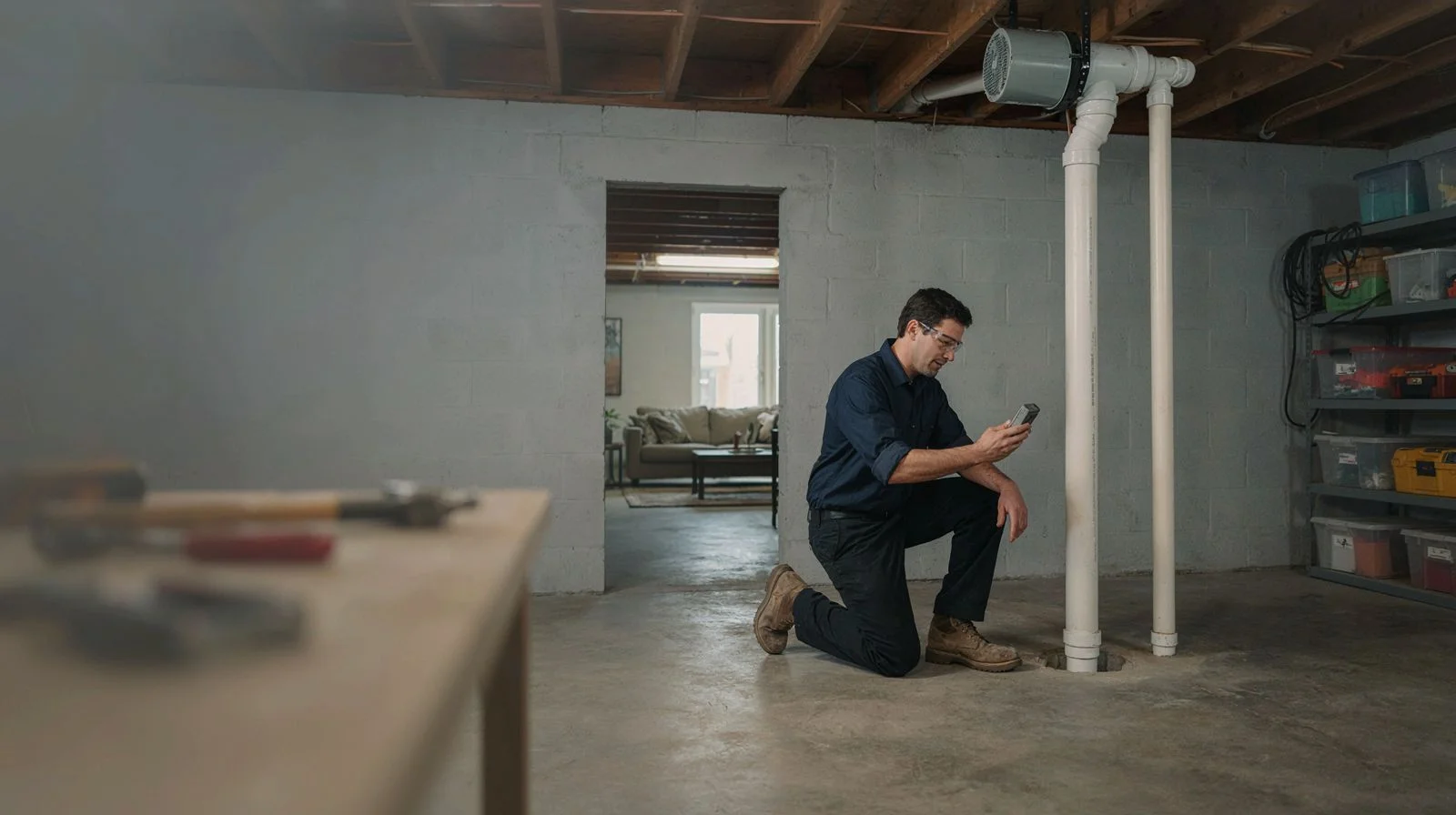
York radon pros, close to home
Radon Mitigation in Weigelstown, PA
Testing, system design, and follow-up tests for Weigelstown homes. Local installers keep your project neat, code-compliant, and effective.
Safe, reliable radon help for Weigelstown homes
Radon mitigation in Weigelstown, PA starts with accurate testing and a smart plan. Radon Mitigation York PA connects homeowners in Weigelstown, PA with local radon mitigation pros who know the area’s homes and soil, and who focus on clean installs that lower levels safely and reliably.
You get help with radon testing, system design, and the post-mitigation radon test, all coordinated by nearby contractors. Our office is in York, PA, and phone support at (223) 877-3977 is available during regular hours (Mon–Sun, 9 AM–5 PM) to answer questions about coverage and scheduling.
Radon conditions in Weigelstown, PA
Weigelstown sits on York County soils where many homes include full basements or partial slabs... both can allow radon from the ground to enter through cracks, joints, and utility penetrations. A large share of local housing was built from the 1960s through the 1990s, including ranches and split-levels that often need tailored suction layouts to reach all connected slab areas. Seasonal heating in winter increases stack effect, drawing more soil gas into living spaces, while tighter, energy-efficient upgrades can reduce natural air exchange and let radon accumulate. Pennsylvania overall sees elevated radon across many counties, so testing and mitigation remain important for Dover Township neighborhoods around Weigelstown PA DEP radon.
Service coverage for Weigelstown, PA
From our York base at 441 E. Market St., Suite 18202, York, PA 17403, installers reach Weigelstown quickly via West Market Street to Carlisle Avenue and up PA‑74 (Carlisle Road). This direct corridor means short travel times to neighborhoods along Carlisle Road and nearby residential pockets, so site visits and installations are straightforward to schedule during normal business hours.
How nearby access helps your project
Being close to Weigelstown lets local pros plan around day-to-day traffic on Carlisle Road and adjust timing for school rush or weekend patterns. Crews typically stage materials in York, verify the home’s foundation layout on arrival, and get right to work - often completing testing setups or installation steps in a single coordinated visit once a plan is in place.
Radon testing for a clear starting point
Professionals begin with radon testing to document current levels. Short-term monitors are usually placed in the lowest livable area with closed-house guidelines observed, ensuring consistent readings. If your home includes both a finished basement and an adjacent slab-on-grade room, pros choose placement that best represents where people spend time. When readings call for action, they design a system tuned to the house’s footprint and expected airflow paths. For homeowners comparing methods, the EPA maintains practical guides on testing and reduction methods EPA radon basics.
What they look for during assessment
- Foundation mix: Full basement, partial basement with adjoining slab, crawl sections, or additions on piers each affect suction strategy.
- Sub-slab access: Slab thickness, aggregate under the slab, and visible control joints help determine potential suction point performance.
- Sealing opportunities: Gaps at plumbing, cracks, or open sump lids are prioritized for sealing to improve system efficiency and reduce fan load.
- Vent path options: Exterior runs are planned with attention to visibility, rooflines, and safe exhaust clearances away from windows and soffit vents.
Mitigation systems that fit Weigelstown homes
Homes around Weigelstown commonly include ranch and split-level layouts where multiple slab sections connect imperfectly. To address this, installers may use a single, well-placed suction point if sub-slab communication is strong, or add an extra suction point to capture distant areas. In basements, coring is performed at a discreet location... often near interior walls or mechanicals; to keep the system out of the way while maximizing performance. Where a slab is thin or aggregate is tight, pros may slightly enlarge the pit or adjust fan sizing to achieve the needed pressure field extension.
Fans, routing, and a tidy look
- Fan selection: Local pros choose fan models based on measured pressure needs and expected moisture load, targeting strong reduction with minimal noise.
- Exterior routing: Vertical vents are routed to meet clearances and to blend with trim or downspouts. Along PA‑74 (Carlisle Road), where homes can sit closer to the street, they often tuck lines on side or rear elevations for a cleaner façade.
- Noise and vibration: Rubber couplings and solid mounting help keep vibration low, protecting both performance and comfort.
- Weather considerations: In winter, insulated exterior runs reduce condensation and help protect fan life.
Post-mitigation radon test and follow-up
After the system is running, a post-mitigation radon test confirms the results. Pros time the test after conditions stabilize, then share a clear report with the readings and any recommended next steps. If adjustments are needed - such as fine-tuning a valve or adding targeted sealing - those are addressed so the system achieves consistent performance across seasons.
Thoughtful planning for Weigelstown’s housing mix
- Ranches and splits: These often require careful mapping of under-slab pathways; if parts of the home sit on separate pours, suction may be balanced between them.
- Finished basements: Discreet coring locations, painted PVC, and attic or side-yard fan placement keep the finished space usable and quiet.
- Crawl sections: Where present, durable membrane work and sealed transitions improve consistency and reduce fan workload.
- Additions over time: If additions created distinct slab areas, pros test communication and design for coverage without over-sizing the fan.
Permits, electrical, and safety
Installers follow common township expectations for safe electrical connections and weather-protected disconnects where required. They also observe vent and fan placement practices that keep exhaust away from openings and satisfy typical code intent. Homeowners receive a simple rundown of how to read the system gauge and when to schedule any recommended retesting in the future.
Where we work in Weigelstown
Coverage includes homes along and just off PA‑74 (Carlisle Road) and residential streets near Davidsburg Road. Whether your property is closer to the commercial stretch on Carlisle Road or set back on quieter lanes, crews plan routes that minimize driveway and yard disturbance, keep vent lines discreet, and respect neighboring setbacks.
Getting from assessment to results
A typical project moves from testing to a written plan, then to installation and verification. The written plan covers suction locations, fan model, routing, sealing needs, and post-test timing. If a unique foundation detail appears during installation... say, a thicker-than-expected slab or an isolated utility trench... crews adapt in the field and document the change so your system meets the original performance goals without compromising appearance.
Care for finishes and property
Pros use dust control while coring, protect flooring, and clean up work areas before leaving. On exterior runs, they match routing to existing trim lines where practical, avoid obstructing walkways, and seal penetrations against weather. The goal is a reliable pressure field under the slab and a clean, low-profile look outside.
Maintenance and long-term confidence
Your system includes a visible manometer or digital indicator so you can confirm it’s drawing properly. If a fan ever needs replacement years down the road, the existing layout makes service straightforward. Routine retesting is recommended over time, especially after major weatherization or remodeling, to confirm levels stay low as building conditions change.
Budget basics
Pricing depends on home size, slab communication, vent routing, and fan selection. For a general sense of factors, see radon mitigation costs in Weigelstown. Local pros review your layout and testing data to provide transparent, house-specific options without guesswork.
Our Services in Weigelstown, PA
Weigelstown, PA radon mitigation pricing from independent local contractors matches the rest of the York, PA area: $1,100 - $3,800. See Weigelstown, PA radon mitigation pricing.
Why Weigelstown, PA Chooses Radon Mitigation York PA
Local know‑how
Installers work in Weigelstown regularly, so they understand Carlisle Road traffic, typical ranch and split-level layouts, and how local soils affect sub-slab airflow.
Clear test‑to‑fix process
From initial testing to a documented mitigation plan and post-mitigation radon test, every step is explained in plain language so you know what to expect.
Neat, code‑minded installs
Vent runs are tidy and positioned with safe clearances, fans mounted securely, and penetrations sealed to protect both performance and curb appeal.
Right‑sized systems
Pros size fans and suction points to your foundation, targeting strong reduction without unnecessary noise or energy use.
Reliable follow‑up
You receive a clear test report after installation and simple guidance on seasonal checks and future retesting to keep levels low.
Radon Mitigation FAQs in Weigelstown, PA
How do local pros travel from 441 E. Market St., Suite 18202, York, PA 17403 to radon mitigation jobs in Weigelstown, PA, and which routes are most direct near PA‑74?
Crews usually head west through York and continue up PA‑74 (Carlisle Road) into Weigelstown. Depending on traffic, they may use West Market Street to Carlisle Avenue or a short hop on US‑30 before turning north to Carlisle Road. This keeps arrival times predictable for assessments and installs.
For homes along Carlisle Road or near streets off Davidsburg Road in Weigelstown, PA, how is vent placement planned for radon mitigation?
Installers consider rooflines, window locations, and property setbacks to place the discharge safely and discreetly. Along busier stretches, vents are often routed to side or rear elevations to minimize visibility while meeting clearance guidelines.
How is radon mitigation adapted for 1960s–1990s ranches and split‑levels in Weigelstown, PA with basements and partial slabs?
Pros test sub‑slab communication and choose one or more suction points to cover all slab areas. Where pours are separated or soil is tight, they may enlarge the suction pit, add a second pickup, or tweak fan sizing for steady, low readings.
Is well water radon testing recommended with radon mitigation in Weigelstown, PA, especially for Dover Township homes on private wells?
If you use a private well, water testing is a smart addition because radon can transfer from water to indoor air. Air and water systems are handled separately; a mitigation plan will explain options if both pathways need attention.
What seasonal factors in Weigelstown, PA affect radon testing and the post‑mitigation radon test?
Winter heating increases stack effect, often raising radon levels and making it a strong time to test. Summer air‑conditioning and open windows can change pressure and ventilation, so pros follow closed‑house guidelines and time the post‑test to reflect typical living conditions.
Are permits or electrical inspections required for radon mitigation in Weigelstown, PA within Dover Township?
Requirements can vary by project. Local pros follow township expectations for safe electrical connections and will advise if an electrical inspection or permit is needed for the fan circuit or exterior disconnect. They design vent placement to satisfy common code clearances.
Contact Us Today for a Free Estimate
Free — no obligations