Simple answers, real guidance
Radon FAQs for homeowners
Clear information about radon testing, radon mitigation, and post‑mitigation radon tests so you can make informed decisions for your home.
Frequently Asked Questions
What is radon, and why does it matter?
Radon is a colorless, odorless radioactive gas that can enter homes from the soil. Long‑term exposure increases lung cancer risk. The EPA recommends taking action at or above 4.0 pCi/L. Learn more at EPA radon.
Who does the work when I choose Radon Mitigation York PA?
Radon Mitigation York PA is a matching service. Independent, vetted radon professionals perform the on‑site work. You choose the contractor and work directly with them for radon testing, radon mitigation, and the post‑mitigation radon test. We look for proper licensing (where required), insurance, and credentials such as NRPP or NRSB certification. Installers follow current ANSI/AARST standards. Documentation and any permit sign‑offs are provided by the contractor you select.
What services can the contractors handle?
Contractors in our network handle radon testing, radon mitigation system design and installation, and the post‑mitigation radon test. They can also evaluate existing systems, replace fans, and advise on retesting intervals. You’ll receive clear documentation of test results and system details for your records.
Are your business hours and availability limited?
Our office is open Monday through Sunday, 9 AM–5 PM. During those hours, reach us at (223) 877-3977. After hours, messages are returned on the next business day. Contractor schedules vary by workload and season; proposed timeframes are confirmed directly with your chosen pro.
Do radon mitigation systems need ongoing maintenance?
Radon mitigation systems are largely hands‑off. Fans run continuously and may eventually need replacement as they wear out. Check your system’s indicator periodically to confirm airflow. Retest periodically and after significant renovations to make sure levels stay low.
Will a system change how my home looks or sounds?
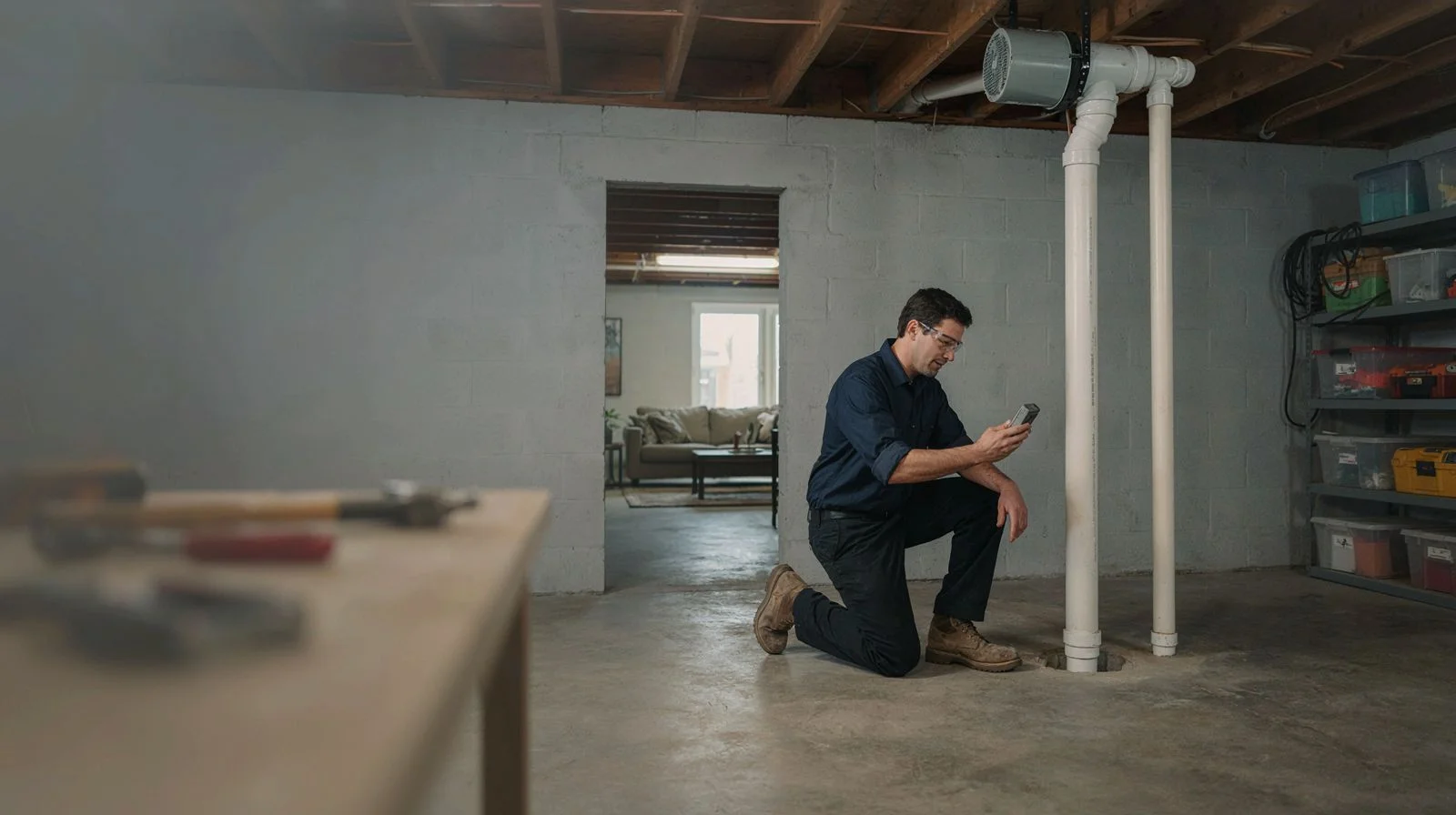
A vent pipe and in‑line fan are typically located on an exterior wall, garage, or attic space, with the discharge above the roofline. Components can be routed to blend with the home’s lines. Outdoors, you may hear a soft fan hum nearby; indoors, sound is minimal when installed correctly.
What standards and certifications should I expect?
Reputable installers follow ANSI/AARST standards for measurement and mitigation and reference EPA guidance for best practices. Look for certifications such as NRPP or NRSB, plus appropriate state licensing where applicable. See the EPA’s overview: EPA radon reduction guide.
Where is your office, and can I visit?
Our office is at 441 E. Market St., Suite 18202, York, PA 17403. Many details can be handled by email and phone, and your selected contractor will coordinate any site meetings or inspections at your address.
How much do your services cost?
Pricing depends on the size and scope of the job. You can find approximate costs of these services here.
Contact Us Today for a Free Estimate
Free — no obligations