York area radon specialists
Radon Mitigation in Fairview Township, PA
Testing, mitigation, and follow-up by trusted local pros. Straightforward options for homes along the I‑83 corridor and the Susquehanna’s west shore.
Radon help for Fairview Township homes
Radon mitigation in Fairview Township, PA is a smart step for long‑term indoor air safety. Radon Mitigation York PA connects homeowners in Fairview Township, PA with local radon mitigation pros who design, install, and verify systems that fit the way your home is built.
Based in York, PA, we match you with experienced technicians who know the I‑83 corridor, neighborhood layouts like Valley Green, and the typical basement and crawlspace styles found across the township. That local knowledge speeds up planning and helps avoid guesswork.
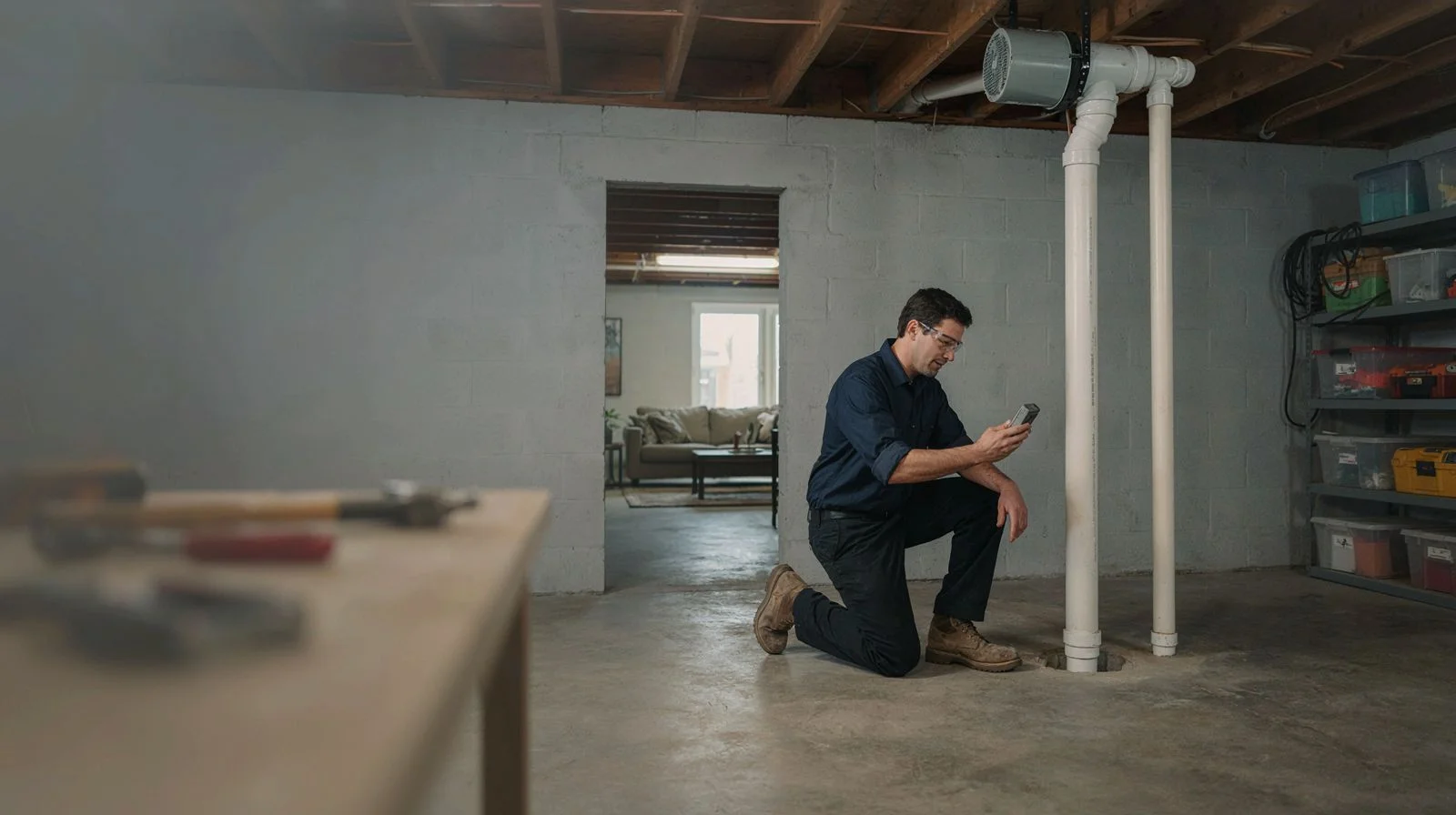
Pros start with reliable radon testing, then build a clear plan for routing, fan placement, and sealing so the system works quietly and consistently. After installation, a post‑mitigation radon test confirms the result and gives you straightforward documentation for your records or a real estate file.
Scheduling is during standard daytime hours, and our team in York, PA can answer coverage questions at (223) 877-3977.
Why Fairview Township, PA homes see radon issues
Fairview Township, PA sits on a mix of shale and sandstone bedrock common in south‑central Pennsylvania, and many homes include full or partial basements. Those conditions allow soil gases to enter through slab cracks, block walls, sump basins, or utility penetrations. The area’s hilly terrain and winter stack effect can pull more soil air into foundations, while sealed, energy‑efficient upgrades can trap radon inside. Pennsylvania overall is known for elevated radon potential, so consistent testing and mitigation are widely recommended by state and federal agencies EPA radon.
Serving Fairview Township from York
From 441 E. Market St., Suite 18202, York, PA 17403 in York, crews typically take I‑83 North toward the west‑shore communities, then turn onto local roads for neighborhoods throughout Fairview Township. This direct route keeps travel predictable and allows visits across the township, from homes near the Susquehanna River’s west bank to subdivisions around Valley Green. Pros plan arrival windows around the morning and late‑day commuter cycles on I‑83 to keep start times reliable.
Radon testing done right
Accurate testing drives every decision. Local pros set devices on the lowest livable level, explain closed‑building conditions, and time tests to reflect how your family actually uses the space. Short‑term tests help establish baseline conditions for planning, while longer follow‑ups can confirm seasonal trends. Results are shared in plain language so you know where levels stand and what next steps look like.
Mitigation tailored to local homes
Homes in Fairview Township, PA range from older block‑wall basements to late‑century colonials and split‑levels with additions. Pros adapt systems to those differences:
- Sub‑slab depressurization for most basements and slabs, using one or more suction points to create a pressure field under the floor.
- Sump‑lid integration when a sump pit offers the best collection point, with an airtight lid that still allows service access.
- Crawlspace sealing with durable membrane and perimeter sealing to limit soil air entry before connecting to a vent fan.
- Multi‑zone routing for mixed foundations or additions, ensuring all sections of the home are addressed by the system.
Vent routing and appearance
A clean, unobtrusive install matters. Technicians plan vertical vent runs that respect window clearances and soffit intakes, then locate the radon fan outside or in the garage attic where allowed, keeping vibration away from living areas. Pipe color and routing are chosen to blend with siding or tuck behind gables so the system looks intentional, not added on at the last minute.
Working with weather and terrain
Near the river and along open stretches by I‑83, wind and winter stack effect can influence how a system draws air. Pros size fans and choose exterior discharge points that maintain upward airflow in cold snaps and heavy rain. In thaw cycles or after big storms, rising groundwater can temporarily change sub‑slab conditions; well‑placed suction points and sealed sumps help the system stay consistent through those swings.
Clear planning and neat workmanship
Before installation, the crew confirms electrical availability for the fan, checks for hidden obstacles in finished walls, and maps the shortest, cleanest vent path. On the day of work, floors are protected, core holes are drilled with dust control, and penetrations are sealed with long‑lasting materials. The goal is a tidy, quiet setup that works in the background without taking over your basement or exterior.
If an outlet or dedicated circuit is needed for the fan, a licensed electrician handles it in line with township and utility requirements. Installers label the system, mark gauge readings, and leave simple notes on how to read the indicator so you can verify performance at a glance.
Verifying results after installation
Once the system is running, pros allow it to stabilize and then place a post‑installation test on the lowest livable level. They review how to maintain closed‑building conditions during the test window and explain what the numbers mean when the result returns. For real estate timelines, documentation is prepared clearly so buyers, sellers, and agents have what they need without back‑and‑forth.
What shapes the scope of work
Every house pulls soil air differently. Foundation size, slab thickness, soil density, sump or drain connections, the number of suction points, and the path to a compliant exhaust all guide the design. If you’re comparing options, see radon mitigation costs in Fairview Township, PA for what typically affects pricing in this area.
Simple upkeep and long‑term reliability
System fans are designed for continuous duty, and the pressure gauge gives you a quick way to confirm airflow. Keeping the discharge point clear of vegetation, checking that downspouts move water away from the foundation, and making sure the sump lid remains sealed will help maintain performance. Retesting on a regular schedule, and after major renovations or HVAC changes, keeps your results current.
Working across the township’s neighborhoods and roads
Fairview Township, PA includes a mix of cul‑de‑sacs and rural lanes branching from I‑83 and key connectors. Crews regularly serve homes near Valley Green and properties toward the Susquehanna River. That local pattern helps with planning: materials are stocked to cover common layouts here, and routing choices are made to minimize exterior visual impact while meeting clearance rules. When conditions suggest it, pros may add additional suction points or upgrade fan models to ensure even coverage across complex floor plans.
Safety and standards
Local professionals follow recognized radon practices and manufacturer guidance, using components rated for exterior exposure and proper condensate handling. Testing and mitigation approaches align with federal recommendations so results are both durable and verifiable EPA guidance.
Our Services in Fairview Township, PA
Independent local contractors in Fairview Township, PA typically charge $1,100 - $3,800 for radon mitigation, the same as across the York, PA area. See what radon mitigation costs in Fairview Township, PA.
Why Fairview Township, PA Chooses Radon Mitigation York PA
Local know‑how on I‑83
Pros who work Fairview Township daily understand neighborhood layouts, soil conditions, and the quickest routes to keep projects on schedule.
Clean, code‑minded installs
Systems are routed to meet clearances and appearance goals while aligning with electrical and mechanical best practices.
Straightforward testing
Accurate baseline testing and clear explanations make the plan easy to understand before any work begins.
Quiet, reliable performance
Fans, vent paths, and seals are chosen to reduce noise and deliver steady draw through seasonal changes.
Clear documentation
Post‑installation test results and simple system labels make verification easy for homeowners and during real estate transactions.
Radon Mitigation FAQs in Fairview Township, PA
How do local pros travel from 441 E. Market St., Suite 18202, York, PA 17403 to radon mitigation jobs in Fairview Township, PA, and which routes are most direct near I‑83?
Crews head north from York on I‑83 and turn onto local roads serving Fairview Township, including neighborhoods around Valley Green and areas toward the Susquehanna River. That route avoids unnecessary detours and keeps arrival times predictable during normal daytime hours.
Do homes near the Susquehanna River in Fairview Township, PA need special moisture considerations with radon mitigation?
Low‑lying properties near the river can see higher groundwater during storms. Pros often prioritize sealed sump lids, airtight drain interfaces, and well‑placed suction points to keep airflow stable when the water table rises.
For split‑levels and late‑century colonials in Valley Green, how is radon mitigation adapted in Fairview Township, PA?
Mixed foundations are common there. Installers may combine multiple suction points, connect a sealed crawlspace, or create a secondary collection zone so all parts of the home are depressurized evenly.
Is well water radon testing recommended alongside radon mitigation in Fairview Township, PA?
Some homes use private wells on the township’s outskirts. If water is from a private source, pros may suggest a separate water test to check whether radon is entering through plumbing in addition to soil air.
When during the Fairview Township, PA calendar are radon testing conditions most representative?
Colder months often produce stronger stack effect, which can make radon levels higher and more consistent for short‑term testing. Testing is useful year‑round, but pros explain how HVAC use and weather can influence results so timing fits your needs.
Are permits or electrical inspections required for radon mitigation in Fairview Township, PA?
Requirements can vary by project. If a new electrical connection is needed for the fan, a licensed electrician performs the work and coordinates any inspections that apply; installers plan routing to align with local expectations and manufacturer guidance.
Contact Us Today for a Free Estimate
Free — no obligations